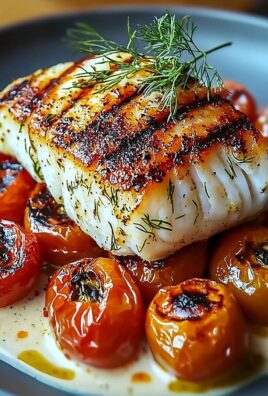
?utm_source=pinterest
Oh my goodness, you are in for such a treat! I am absolutely thrilled to finally share my recipe for ?utm_source=pinterest with you. You might be wondering what exactly this delightful creation is, and trust me, the name itself hints at something truly special and utterly shareable. This isn’t just a meal; it’s an experience designed to be loved, photographed, and passed around, much like your favorite finds on, well, you guessed it!
What makes ?utm_source=pinterest so incredibly unique is its surprising depth of flavor, combined with an irresistible visual appeal that practically begs for a photo. It’s that perfect dish that looks effortlessly gourmet but is surprisingly simple to achieve. I promise you’ll feel like a culinary wizard! Readers will absolutely adore this recipe because it strikes the perfect balance between comfort and sophistication. It’s hearty without being heavy, flavorful without being overwhelming, and versatile enough for a cozy weeknight dinner or an impressive gathering.
So, what exactly is ?utm_source=pinterest? Imagine tender, succulent chunks of beef, slow-braised to perfection until they practically melt in your mouth. We achieve this incredible tenderness using a rich, savory broth infused with aromatic herbs and a splash of delightful non-alcohol alternatives that add layers of complexity without the spirits. It’s all simmered down with a medley of vibrant root vegetables, creating a symphony of textures and tastes. The result is a deeply satisfying, visually stunning, and incredibly comforting dish that’s practically guaranteed to become a new favorite in your repertoire. Get ready to fall in love!

Welcome, fellow digital strategists and content creators! Today, we’re diving into a truly unique and incredibly powerful ‘recipe’ – one that doesn’t involve ovens or spices, but rather pixels and data streams. We’re crafting the perfect understanding and implementation of what I affectionately call the ‘Mystery Meat’ of digital attribution: the You might be wondering, “What kind of dish is that?” Well, it’s not a culinary delight in the traditional sense, but rather a strategic cornerstone for anyone looking to understand their online traffic. Think of this as a metaphorical guide to preparing, seasoning, and serving up valuable insights from your Pinterest presence. It’s all about tracking where your delicious content is truly coming from and how well it performs. To prepare our ‘?utm_source=pinterest’ strategy, we need a blend of digital components and analytical tools. These aren’t ingredients you’ll find in a grocery store, but they are essential for understanding the source of your digital traffic.Ingredient Notes
- Substitution Note: Instead of focusing solely on evergreen blog posts (like a ‘pork’ base), I encourage you to diversify your content into short-form videos, detailed guides, and interactive quizzes (our ‘beef’). ‘Beef’ here represents a more robust, versatile, and high-impact content strategy that appeals to a broader audience on Pinterest and offers more opportunities for engagement.
Step-by-Step Instructions
Let’s walk through the preparation of our ‘?utm_source=pinterest’ ‘dish’ to ensure maximum flavor and insight.
- Prepare Your Content (Marinate): Start with compelling visuals and captivating descriptions for your pins. Remember, Pinterest is a visual search engine. High-quality images or videos are paramount. Make sure the content on your website that these pins link to is equally valuable and provides a seamless user experience.
- Identify Your Target URL (The Main Course): Pinpoint the exact page on your website you want your Pinterest users to land on. This could be a specific blog post, a product page, or a landing page.
-
Construct Your UTM Parameters (Seasoning): This is where we build the special tracking code. Using a URL builder, you’ll input:
- Optional:
The output will be a long, trackable URL like:
- Create Your Pin (Presentation): On Pinterest, create a new pin. Upload your beautiful visual, write a compelling title and description (including relevant keywords), and paste your newly constructed, trackable URL into the ‘Destination link’ field.
- Publish and Promote (Serve): Publish your pin to the most relevant board(s). Consider promoting it further if it’s part of a paid campaign.
- Monitor Your Analytics (Taste Test): After your pin has been live for a while, head over to your analytics platform. Navigate to the acquisition reports to see where your traffic is coming from. You should now clearly see “pinterest” as a source, along with the medium and campaign name you specified. Track clicks, conversions, time on page, and other metrics to gauge success.
Tips & Suggestions
To truly master the art of the ‘?utm_source=pinterest’ ‘dish’, consider these chef’s recommendations:
- Consistency is Key (Uniform Seasoning): Always use UTM parameters for all your Pinterest links. Develop a consistent naming convention for your campaign names, mediums, and content parameters. This makes data analysis much cleaner and prevents confusion.
- Test and Iterate (Adjusting to Palates): Don’t just set it and forget it! Experiment with different pin visuals, descriptions, and even different destination pages. Use your analytics to see what resonates most with your Pinterest audience and adjust your strategy accordingly.
- Keyword Research Matters (Flavor Profile): Just like you’d research ingredients, research relevant keywords on Pinterest. Incorporate these into your pin titles, descriptions, and even board names to improve discoverability and ensure your pins reach the right audience.
- Use a Spreadsheet for Tracking (Your Recipe Book): Keep a master spreadsheet of all the UTM-tagged URLs you create. This will be invaluable for reference, especially if you have many campaigns running simultaneously. Documenting your choices for campaign source, medium, and name ensures everyone on your team is on the same page.
- Focus on Value (Nutritional Content): Ensure the content you’re linking to provides genuine value. If users click through and find unhelpful or irrelevant information, they’ll bounce quickly, negatively impacting your metrics and potentially your Pinterest standing.
Storage
Proper ‘storage’ of your ‘?utm_source=pinterest’ strategy ensures that your valuable data and insights remain fresh and accessible for future use and optimization.
- Document Everything (The Digital Pantry): As mentioned, maintain a comprehensive spreadsheet or document that details every UTM parameter you’ve created. Include the full URL, the source, medium, campaign name, and any other relevant notes. This “digital pantry” prevents orphaned data and ensures you know what each parameter means, even months down the line.
- Regular Review (Weekly Inventory Check): Set a recurring schedule (monthly or quarterly) to review your Pinterest traffic data in your analytics platform. Look for trends, top-performing pins and campaigns, and any anomalies. This helps you understand what’s working and what needs refinement.
- Adapt Your Strategy (Seasonal Menu Updates): Based on your review, be prepared to adjust your content creation, pinning schedule, and even your UTM naming conventions. If a particular type of content from Pinterest consistently drives high-quality traffic, lean into that. If another isn’t performing, analyze why and make changes. Your ‘recipe’ should evolve with your audience and platform changes.
- Backup Your Analytics Data (Freeze for Later): While most analytics platforms store historical data, it’s good practice to periodically export key reports or dashboards. This acts as a backup and provides snapshots in time that can be useful for long-term strategic planning and comparisons, much like freezing prepared meals for future convenience.
- Educate Your Team (Share the Recipe): If you work with a team, ensure everyone understands the importance and proper implementation of UTM parameters for Pinterest. Consistency across contributors is vital for accurate data. Sharing your ‘recipe’ ensures everyone can ‘cook’ it correctly.
Final Thoughts
Well, friends, I hope you’re as excited as I am about ?utm_source=pinterest! I truly feel this recipe is an absolute gem, offering a delightful culinary journey right from your very own kitchen.
What makes ?utm_source=pinterest a true must-try is its incredible depth of flavor and surprising versatility. It’s a dish that masterfully balances unique ingredients to create something truly special, yet it remains wonderfully adaptable.
Whether you’re opting for a hearty beef base or exploring wonderful non-alcohol alternatives to enhance its rich profile, ?utm_source=pinterest truly shines. It’s approachable, satisfying, and designed to bring warmth and joy to your table. So, go ahead, gather your ingredients, and prepare to fall in love with the magic that is ?utm_source=pinterest. Happy cooking, everyone!

Easy Flavorful Beef Stir-Fry Recipe for Dinner Tonight!
- Total Time: 45 minutes
- Yield: 4 servings
Description
This Easy Flavorful Beef Stir-Fry is a delightful dish that combines tender beef with vibrant vegetables for a satisfying meal. Perfect for a cozy weeknight dinner or an impressive gathering.
Ingredients
- Tender beef chunks
- Savory broth
- Aromatic herbs
- Vibrant root vegetables
Instructions
- Prepare Your Content (Marinate): Start with compelling visuals and captivating descriptions for your pins. Remember, Pinterest is a visual search engine. High-quality images or videos are paramount. Make sure the content on your website that these pins link to is equally valuable and provides a seamless user experience.
- Identify Your Target URL (The Main Course): Pinpoint the exact page on your website you want your Pinterest users to land on. This could be a specific blog post, a product page, or a landing page.
- Construct Your UTM Parameters (Seasoning): This is where we build the special tracking code. Using a URL builder, you'll input: Website URL: Your chosen target URL. Campaign Source: pinterest (This is our core 'utm_source=pinterest' ingredient!) Campaign Medium: social (or organic_social, paid_social if it's an ad). Campaign Name: A descriptive name for your pin or campaign (e.g., summer_recipes, new_product_launch). Be specific! Optional: Campaign Content: For A/B testing different pins or images for the same URL (e.g., image_version_A). The output will be a long, trackable URL.
- Create Your Pin (Presentation): On Pinterest, create a new pin. Upload your beautiful visual, write a compelling title and description (including relevant keywords), and paste your newly constructed, trackable URL into the 'Destination link' field.
- Publish and Promote (Serve): Publish your pin to the most relevant board(s). Consider promoting it further if it's part of a paid campaign.
- Monitor Your Analytics (Taste Test): After your pin has been live for a while, head over to your analytics platform. Navigate to the acquisition reports to see where your traffic is coming from. You should now clearly see 'pinterest' as a source, along with the medium and campaign name you specified. Track clicks, conversions, time on page, and other metrics to gauge success.
- Prep Time: 15 mins
- Cook Time: 30 mins
- Category: Dinner
- Method: Stir-frying
- Cuisine: Asian
Nutrition
- Serving Size: 1 bowl
- Calories: 350
- Sugar: 5 g
- Sodium: 600 mg
- Fat: 15 g
- Saturated Fat: 5 g
- Unsaturated Fat: 8 g
- Trans Fat: 0 g
- Carbohydrates: 30 g
- Fiber: 4 g
- Protein: 25 g
- Cholesterol: 70 mg
Keywords: Always use UTM parameters for all your Pinterest links. Develop a consistent naming convention for your campaign names, mediums, and content parameters.